
What Makes a Reliable Peptide Factory Stand Out for Long-Term Partnership?
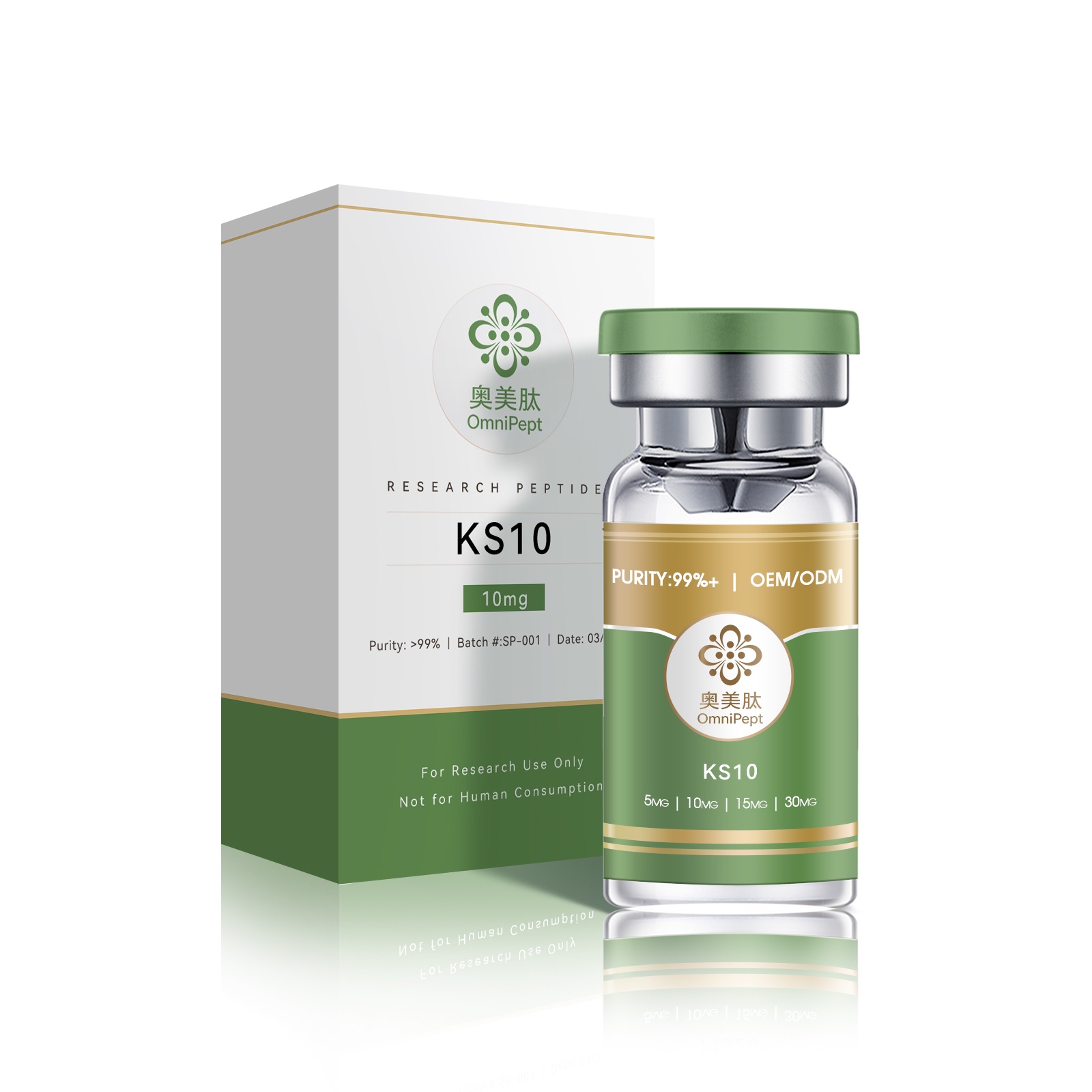
When you source peptide raw materials for research, cosmetic formulation or health product development, picking the right peptide factory shapes the whole progress of your project. Many teams learn this lesson the hard way: inconsistent purity, unstable activity, unclear batch records and inflexible production schedules can delay trials, ruin finished formulas and raise unnecessary costs. A solid peptide factory is far more than a space with synthesis equipment; it is a complete system built around stable quality, transparent workflows and practical technical support.
At the core of responsible peptide manufacturing lies strict process control. Reputable facilities follow standardized operating protocols covering raw material screening, solid-phase synthesis, purification, freeze-drying and final testing. Every incoming amino acid and resin is checked before production starts. During synthesis, technicians track reaction parameters closely to cut down side reactions. After purification, each batch goes through HPLC and mass spectrometry verification, with full test reports provided for review. This level of traceability helps partners stay compliant with requirements in their own markets, whether they work on small laboratory batches or plan larger-scale production runs later.
Flexibility is another key trait of a capable peptide factory. Project needs vary widely. Some clients need short, simple peptide sequences for basic lab testing. Others work on modified, longer sequences that demand custom synthesis and special stabilization methods. Good manufacturers can switch between small-batch custom orders and bulk supply, adjusting lead times where possible without lowering quality standards. Their technical team stays ready to talk through sequence design, solubility challenges and storage tips, instead of only taking orders and shipping goods. This kind of hands-on support saves plenty of back-and-forth time for product developers and research groups.
Sustainability also receives growing attention inside modern peptide factories. Synthesis naturally uses solvents, so responsible operators set up recovery systems to reduce waste and lower resource consumption. They separate production zones, build proper waste handling workflows and keep workspaces clean and segmented to avoid cross-contamination. These steps do more than meet environmental rules; they bring more stability to the final product and create safer working conditions for staff.
Trust grows from steady performance over time. A trustworthy peptide factory does not overpromise on purity or turnaround. It communicates openly about technical limits, possible risks and realistic timelines. For brand owners, research labs and formulators around the world, the best peptide partner balances skilled chemistry, careful quality control and responsive service. When these pieces come together, peptide sourcing becomes a stable foundation for innovation, rather than a constant source of worry.
Previous page:Already the first
Next page:Already the last
OmniPept
Thank you very much for writing to us. Please leave your message and contact information, we will reply to you within 24 hours.